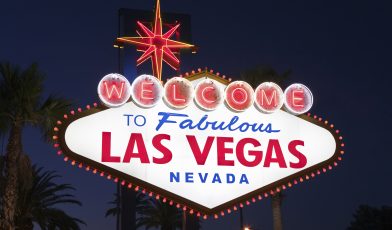
And how to get everyone to read your travel policy.
Humans love visual material. According to studies, coloured visuals increase a person’s willingness to read a piece of content by 80%. Imagine if you could apply this to your travel policy – people might actually read it! Some strong text
Clearly, very few of us ever depart from the childhood joy of devouring words accompanied by pictures. And for good reason – visual assets now play a pivotal role in modern communication. Some italic text
It should be no different for your travel policy. We’re not suggesting that all travel managers need to become designers, but it’s about thinking differently when it comes to delivering key information every employee needs to take on-board. Your travel policy is incredibly important, but the message needs to be delivered in a way that befits a modern audience and visuals are key to communicating with business travellers. Some link
Here are some examples of visual communication already used in travel and how you could apply the logic to your travel policy:
- Some list item
- Some strong list item
- Some bold list item
- Some italic list item
- Some span list item
- Some link list item
- Some list item
- Some strong list item
- Some bold list item
- Some italic list item
- Some span list item
- Some link list item
Humans love visual material. According to studies, coloured visuals increase a person’s willingness to read a piece of content by 80%. Imagine if you could apply this to your travel policy – people might actually read it! Some bold text
Airport Signage
Humans love visual material. According to studies, coloured visuals increase a person’s willingness to read a piece of content by 80%. Imagine if you could apply this to your travel policy – people might actually read it!
Clearly, very few of us ever depart from the childhood joy of devouring words accompanied by pictures. And for good reason – visual assets now play a pivotal role in modern communication.
It should be no different for your travel policy. We’re not suggesting that all travel managers need to become designers, but it’s about thinking differently when it comes to delivering key information every employee needs to take on-board. Your travel policy is incredibly important, but the message needs to be delivered in a way that befits a modern audience and visuals are key to communicating with business travellers.
Here are some examples of visual communication already used in travel and how you could apply the logic to your travel policy:
Hotel visuals
Humans love visual material. According to studies, coloured visuals increase a person’s willingness to read a piece of content by 80%. Imagine if you could apply this to your travel policy – people might actually read it!
Clearly, very few of us ever depart from the childhood joy of devouring words accompanied by pictures. And for good reason – visual assets now play a pivotal role in modern communication.
It should be no different for your travel policy. We’re not suggesting that all travel managers need to become designers, but it’s about thinking differently when it comes to delivering key information every employee needs to take on-board. Your travel policy is incredibly important, but the message needs to be delivered in a way that befits a modern audience and visuals are key to communicating with business travellers.
Here are some examples of visual communication already used in travel and how you could apply the logic to your travel policy:
On August 27th, Booking.com for Business will be participating at SAP Concur Fusion Exchange in Atlanta. Visit our booth at the Partner Showcase to learn about how we work with SAP Concur and how we can bring more accommodation choices to your travel program. We look forward to seeing you there!
Related Articles

 العربية
 Eesti
Eesti Lietuvių
 Slovenščina
 Български
 Suomi
Suomi Latviski
 Srpski
 Català
 Français
 Bahasa Malaysia
 Svenska
 Čeština
 עברית
עברית Nederlands
 ภาษาไทย
 Dansk
Dansk Hrvatski
 Norsk
Norsk Filipino
 Deutsch
 Magyar
 Polski
 Türkçe
 Ελληνικά
 Bahasa Indonesia
 Português (BR)
 Українська
 English (UK)
 Íslenska
 Português (PT)
 Tiếng Việt
 English (US)
 Italiano
 Română
 简体中文
简体中文 Español
 日本語
日本語 Русский
 繁體中文
繁體中文 Español (AR)
 한국어
한국어 Slovenčina